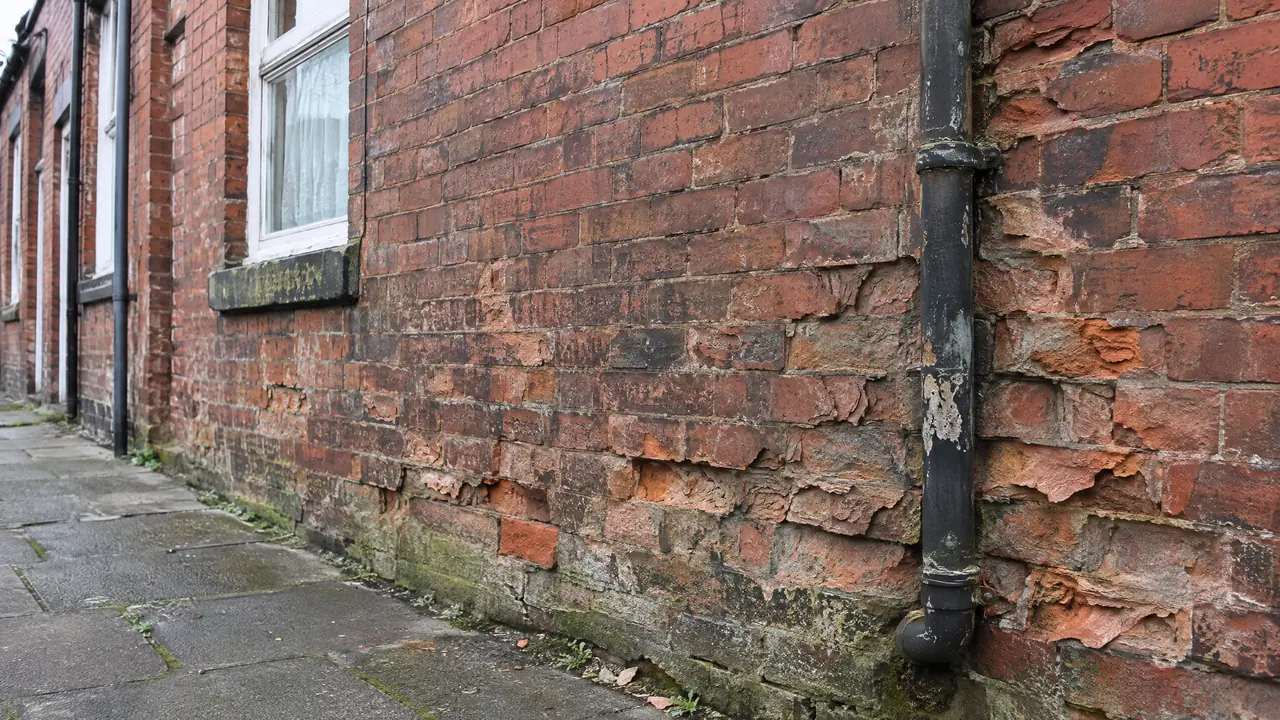
Blown Bricks Ruining Your Walls? We Fix Them
Spalling Brick Repair Service in Darlington
Blown Brick Repair Service for Houses, Flats and Period Homes
Repair Spalling Brick on Terraces, Semis and Cottages
We run a spalling brick repair service across Darlington. If the faces of your bricks are flaking, crumbling or popping off, we cut out the damage, fix the cause and rebuild the brickwork so it looks right. We work on detached houses, semis, terraces, flats, cottages and period properties.
Plenty of homeowners call this problem blown bricks. The face of the brick blows off and leaves a rough, pitted patch behind. We repair both, and we tell you what we find in plain words before any work starts.
Brick repairs are what we do every week. We replace damaged bricks, match the brickwork and stop the water that caused the brick damage. If your whole wall needs wider brickwork repairs, that is a separate job, so here we stick to spalling.
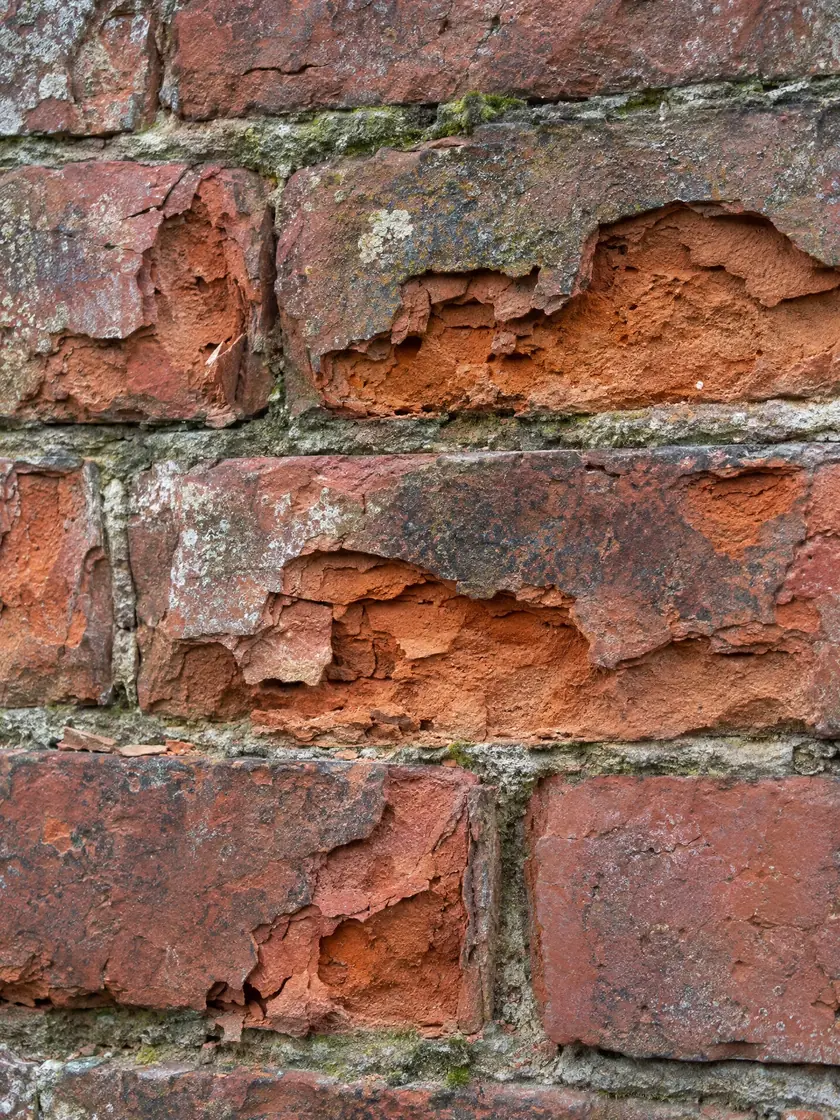 Blown faces
Flood history and older walls in Darlington
The Darlington Level 1 Strategic Flood Risk Assessment says the first recorded date of flooding on the River Skerne was 1852, and that it has flooded repeatedly since. It also says recent flood events in Darlington were attributed to localised surface water flooding in 2002, 2003, 2007, 2011, 2012 and 2013. The council's community risk register page says the highest flooding risk is surface water flooding, where drainage systems are unable to cope with the volume of rainfall.
We survey a wall before suggesting any repair. We note cracks, loose or damaged brick and the state of the joints, and we ask when you first saw them. Tell us if the property has been flooded. The council's Parkgate appraisal says the terraced housing there dates to the late 19th and early 20th centuries, so tell us the age of your home too. If insulation is planned, say so: the council's guidance on traditional buildings lists insulation on the exterior face of external walls as high risk and on the interior face as very high risk.
The Environment Agency has flood warning areas along the River Skerne. The upper Darlington and Great Burdon area covers properties and businesses including Red Hall, Stockton Road, Riverside Way, Weir Street, Chesnut Street and Victoria Embankment. The lower area includes Valley Street, John Street, Progress Way, Blackett Road and Mill Lane. A third area includes Lodge Street, Russell Street, Ely Close, Park Place, Hird Street and Swan Street. If your street is on one of these lists, tell us when you get in touch.
What Is Brick Spalling and Why Do Bricks Blow Out of a Wall?
Spalling is when the outer face of a brick cracks, flakes or breaks away. Water soaks into the brick, freezes and expands. The ice then pushes the brick face off the body of the brick.
One frost will not do it. Repeated freeze-thaw cycles shatter or peel the surface a little more each winter.
Once the hard face has gone, the softer middle soaks up even more rain, and spalling brickwork gets worse fast. That is how brick deterioration starts.
What Do Spalled Bricks Look Like on a House?
+These are the signs we see most often when we survey damaged brickwork:
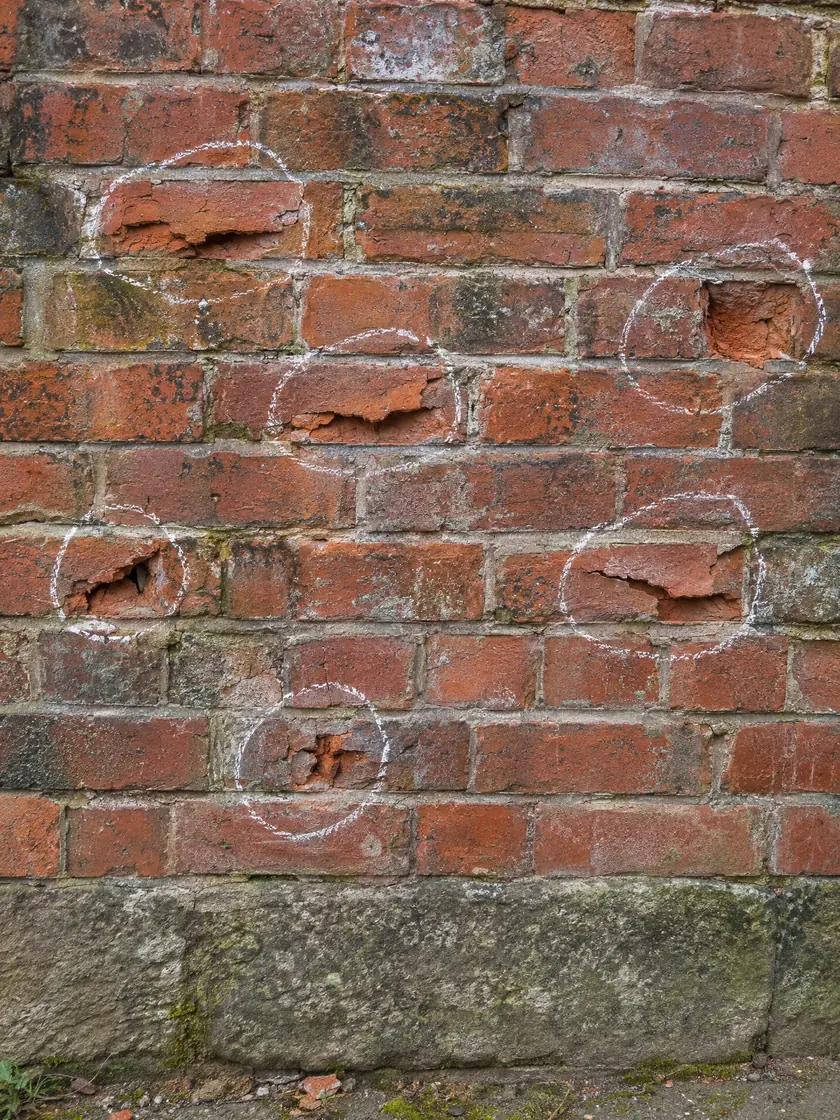
- Flaking or peeling faces on the bricks, often in small curls or sheets
- Pitting, where the brick surface looks rough and chewed
- Cracks across the brick face
- Crumbling bricks that show a pitted, powdery middle
- White salt marks, called efflorescence, which tell us moisture is moving through the masonry
- Loose bricks and cracked mortar joints beside the damage
Cracks in the mortar joints speed things up because they let water in right next to the brick. If you can see two or three of these signs, the brickwork is already taking on water.
What Causes Bricks to Spall in Darlington and the surrounding area?
+Frost is the main driver, and our area gets plenty of it. At Leeming in North Yorkshire the long-term average is about 53 days of air frost and 121 days with at least 1mm of rain a year. Durham averages about 47 frosty days and 124 rainy days, so measurable rain falls roughly one day in three.
When temperatures drop after a wet spell, trapped moisture freezes and builds pressure inside the brick. Cold weather does the rest. Leaking gutters, blocked downpipes and poor drainage keep one patch of wall wet, which is why we often find frost damage right under a leak.
The mortar matters too. Hard cement mortar can trap moisture in the brickwork and push it out through the softer bricks instead. Older masonry soaks up a century of rain.
Older bricks, and bricks that are not frost-resistant, are the first to give way. An earlier repair with the wrong brick makes it worse.
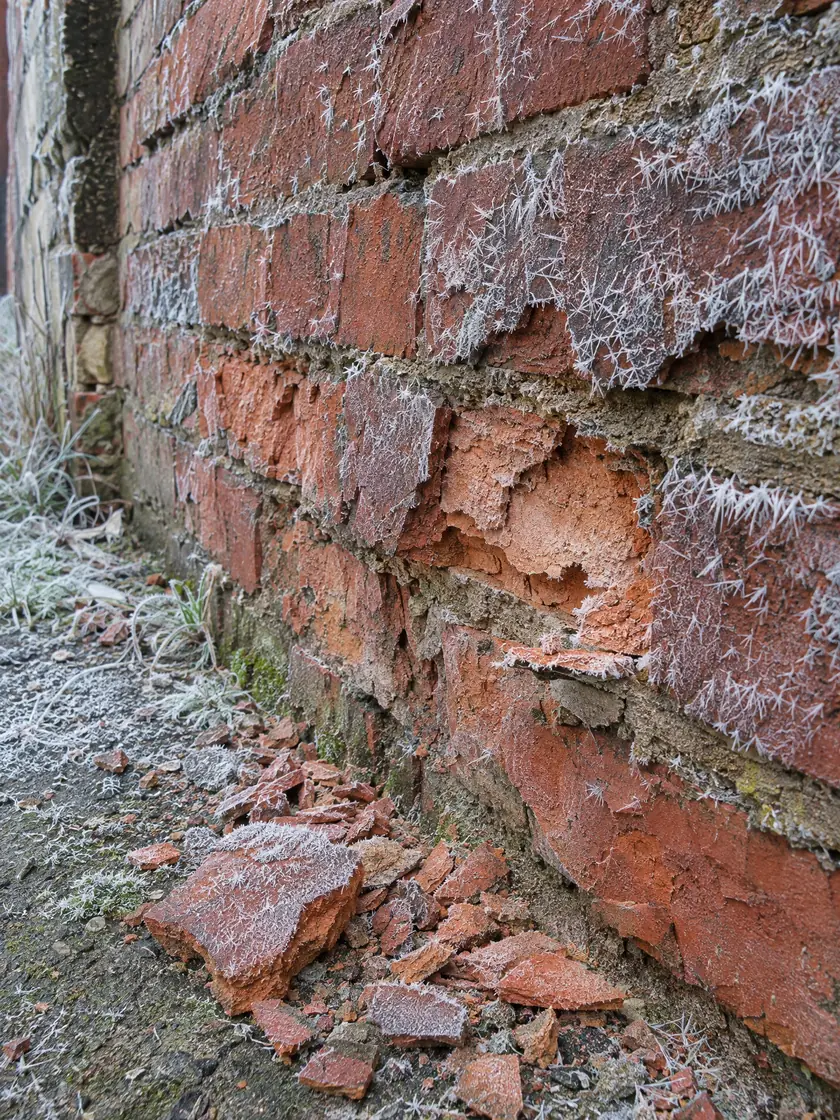 Frost and water
How Serious Is Brick Spalling and When Should You Call Us?
One flaking brick is small. A wall full of them is a real problem. Spalling is common in older buildings in damp conditions, and North Yorkshire has plenty of both.
What Happens If You Leave Flaking Bricks Alone?
+The damage spreads. Surface damage lets more water in, and more water means more brick damage the next winter. Left alone, further deterioration is almost certain, and a few flaking bricks turn into a hole you can fit your hand into.
The water does not stop at the brick. It can reach the inside of the wall and cause water damage, from damp patches to peeling paint and mould. In North Yorkshire an estimated 9.5% of homes have a damp problem, compared with 5.5% across England.
Across England, homes with an outside part in poor condition were about three times as likely to have damp, at 15% against around 5%. Around 460,000 English homes have outside walls in disrepair. Fixing water damage indoors costs far more than small brick repairs outside, and leaving the brickwork for years means more bricks, more mortar and more scaffolding.
Is Spalling Ever a Sign of Structural Problems?
+Most of the time, spalling is a surface problem, not a structural one. The brick face fails, but the wall still stands. We still check, because some walls hide something worse.
We look for long cracks that run through the mortar and the bricks, and we study even hairline cracks, bulging, loose bricks or a wall that leans. Those point to structural movement, often from ground movement near a bay window or at ground level, where the lower courses sit wet. If we see structural issues like that, we tell you straight and suggest you call a structural engineer.
We do not patch over structural problems or wide cracks. We also never hide defective brickwork behind a neat repair.
Spotted something on your wall? Send us a message through our contact form and we will take a look.
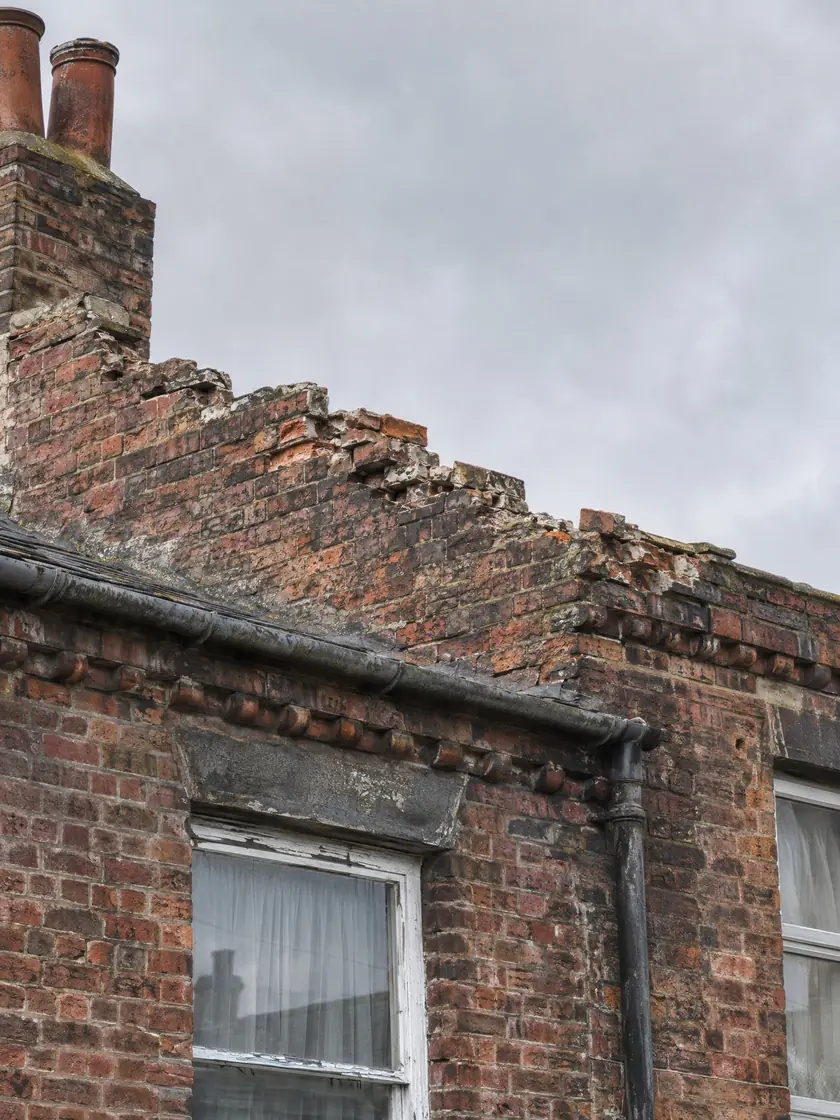 When to call
How Do We Fix Spalling Without Replacing the Brick?
Can We Save a Brick That Has Started to Flake?
+Here is the honest answer. Spalled bricks are typically replaced rather than repaired, because a brick that has lost its hard face will not grow it back. But we do not replace every brick we see, and we tell you if rebuilding is a better option than patching.
If the damage is light and the brick is still sound, our brick repairs start with the cause. We repair the leaking gutter, remove hard pointing and any loose mortar, then repoint with lime mortar. The brickwork can then dry out, and often the brick stops shedding.
We never paint or seal over crumbling brick. Waterproof coatings can trap salts and moisture in the masonry and make the surface failure worse. That way we keep as much sound brickwork as we can.
How Do We Replace Blown Bricks That Cannot Be Saved?
+When a brick has blown, it has to go. We survey the brickwork, mark every damaged brick and put up scaffolding if the repair is high up. Each one is carefully removed so the bricks around it stay put.
We source replacement bricks before we start, so the gap is never left open. We clean it out, bed a matching brick in fresh mortar and tooth it into the courses. Then we repoint the mortar joints around it so the new brickwork blends in.
Careful brick replacement is slower than a quick patch, but it is the only way to stop the damage coming back. Our blown brick repair service leaves you with a wall that looks like nothing ever happened. We also treat rebuilding a bad section the same way, one course at a time.
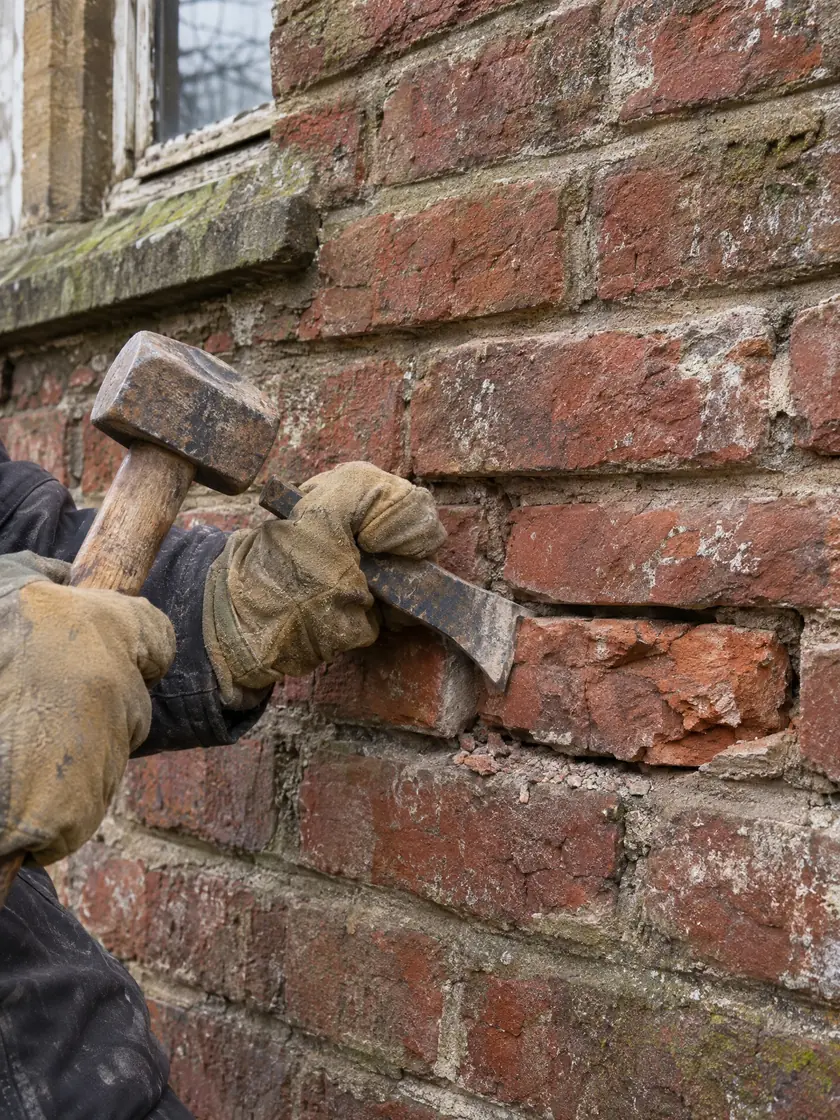 Cut out and replaced
Which Bricks and Mortar Do We Use for Brick Repairs?
How Do We Find Matching Bricks for an Old Wall?
+Matching bricks is the hard part, and it is where cheap brick repairs go wrong. A replacement must match the original brick in size, colour, texture and strength. A brick that is a little too smooth or too hard looks wrong and can start fresh damage.
For older walls we often use reclaimed bricks. They already carry the right age and texture, and they sit well beside the original brick. We pick reclaimed bricks that are hard wearing enough for the spot they are going into.
On newer houses we use new bricks from the same range where we can. For an exposed wall we choose new bricks that are frost-resistant, because the wrong brick can spall again within a few winters. Good facing bricks are the ones that match your wall and cope with your weather.
Why Do We Use Lime Mortar Instead of Cement?
+Lime mortar is the traditional choice for old masonry, and for good reason. It lets moisture escape through the mortar joints, so the brickwork can breathe. Water leaves through the joint, not through the face of the brick.
Cement does the opposite. It holds water in, so the water has to leave through the bricks, and the faces spall.
Wrong mortar is one of the main reasons repairs fail and damage comes back. We still use cement mortar on some modern brickwork where it suits the brick, and we match the brickwork around it.
More than one in four North Yorkshire homes, about 26.1%, were built before 1919. The national figure for England and Wales is 20.4%. The county also has more than 12,200 listed buildings, so careful, matching brick repairs matter here.
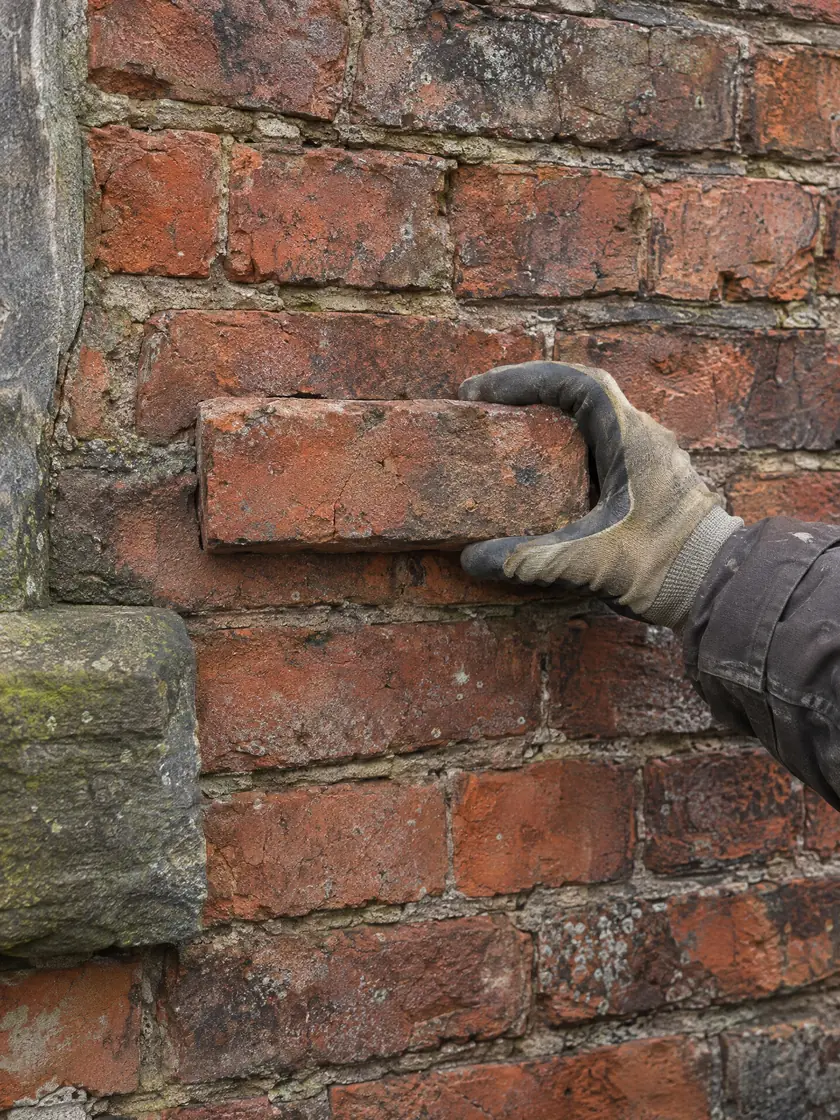 Matched bricks
Where Do We Carry Out Spalling Brick Repairs?
Which Parts of a House Suffer Most From Spalling?
+We carry out these jobs on any type of building. Some spots collect more moisture than others, so they spall first.
Chimneys and parapets take wind and rain from every side. A garden wall or a run of boundary walls sits in wet ground with an open top.
Many Victorian terraces use soft red facing bricks that wear faster than the harder bricks behind them. Brickwork under a leaking gutter or a bad flashing is at risk too.
So are copings, the lower courses near ground level and the brick around a bay window. We also repair exterior walls, gable ends and the old wall at the bottom of the garden.
Stonework and other masonry need different skills, so we deal with those separately. Here we stay with bricks. The same goes for a damaged roof line, where we fix the brickwork and leave the roof to the roofer.
Which Homes and Situations Lead to a Call?
+Most of our brick repairs start with a few common situations. A homeowner in a Victorian terrace in Darlington sees brick faces coming off after a hard winter. A buyer in Harrogate gets a building survey that flags damaged bricks on a side wall.
A landlord in Middlesbrough wants a flat's front wall fixed before the next tenant moves in. A cottage owner in Whitby or Scarborough sees sea air and rain chew through the brick.
An owner of a garden wall in Ripon finds half of it crumbling. Owners of period properties in York and Durham want the repair done in matching materials, such as reclaimed bricks and lime.
We also cover Newcastle, Sunderland, Hartlepool, Northallerton and Richmond. If you live in an older property anywhere across Darlington, we can help with our spalling brick repair service.
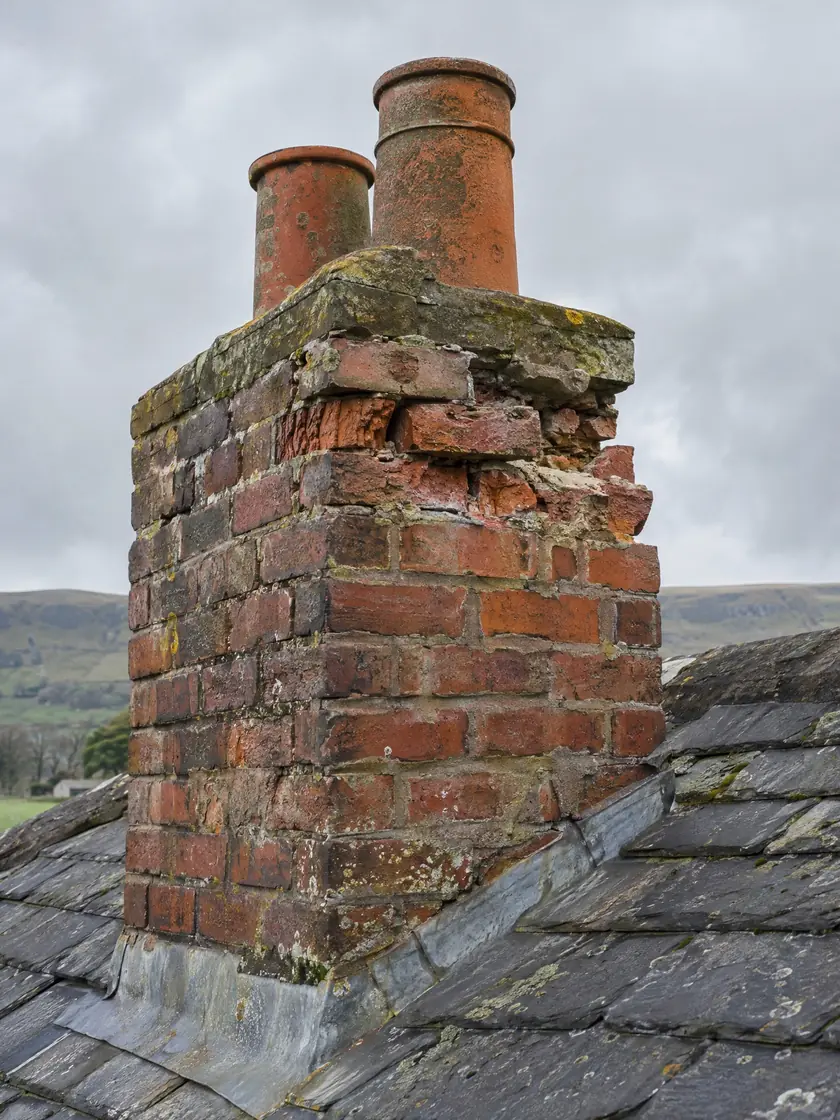 Chimneys and parapets
How Much Does Spalling Brick Repair Cost in Darlington?
What Do Our Rough Prices Look Like?
These are our rough prices based on recent projects. Most jobs fall into one of these bands:
- Replacing a single blown brick: £20 to £45 per brick, with a minimum call-out charge
- Small repairs to a patch of damaged bricks: £250 to £800
- Repointing around the repair in lime mortar: £50 to £85 per square metre
Scaffolding, where a job needs it, is quoted on top. We always show it as its own line so you can see what you are paying for.
These prices are a rough guide and the actual cost varies from job to job. Please use our contact form for an accurate quote.
What Makes Your Brick Repair Cost Go Up or Down?
The number of bricks is only part of it. Height matters, because access adds to the bill. Hard-to-match materials, such as rare reclaimed bricks, cost more than standard new bricks, and lime mortar costs more than a cement mix.
Rebuilding a larger section costs more than replacing a few bricks. A wall with ten bad bricks near the ground costs far less than a gable end with forty. The repair work is also quicker when we can reach the wall easily and park close by.
Why Do Homeowners Choose Brick Repointing Team for Brick Repairs?
We fix the cause, not just the look. A careless contractor will hide brick damage under paint or a thick mortar patch, and the damage comes straight back. We find the root cause, match your materials and leave you brickwork that lasts, as our reviews show.
What Happens From First Call to Finished Wall?
+You get in touch. We visit, survey the wall and photograph the damage. You then get a clear written quote with no pressure.
On the day, we set up, cut out the damaged bricks, fit the new ones and repoint. We carry out each stage of the brick repairs and the repair work in the order that keeps your wall safe and dry. Then we clear away every bit of rubble.
Why Pick a Contractor Who Knows Old Walls?
+A good contractor knows the difference between lime mortar and cement mortar, and can tell you why moisture is getting into a house wall. Some will only patch over damaged bricks. We would rather rebuild the failing brickwork properly, even if it takes a little longer.
Our team is happy to explain every step as we go. If you want to know why we picked one brick over another, just ask.
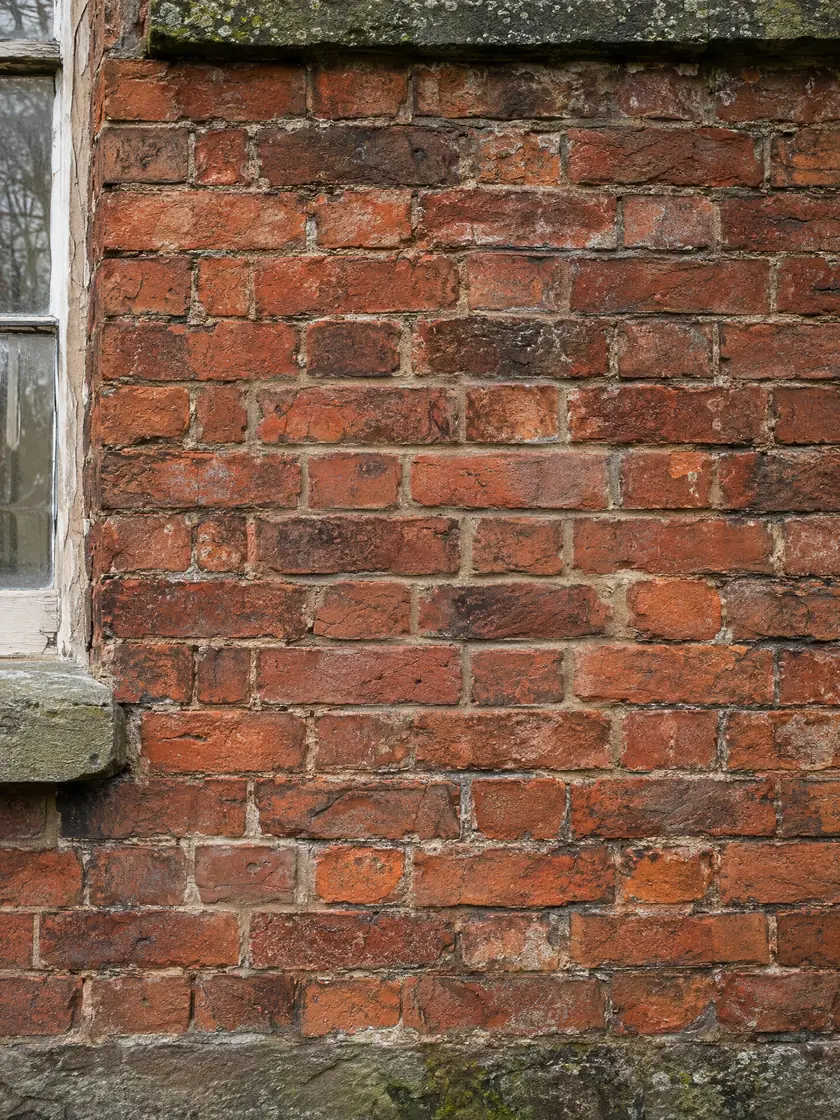 Fixed properly
Get Your Free Quote From Brick Repointing Team Today
Do not wait for another winter to open up the damage. Every frost makes crumbling brick worse, and every wet month makes the repair bigger. Rebuilding is rarely needed if you call early.
Use our contact form and tell us where you are and what you can see. Brick Repointing Team will arrange a free quote for your blown bricks, and we will tell you in plain words what the wall needs.
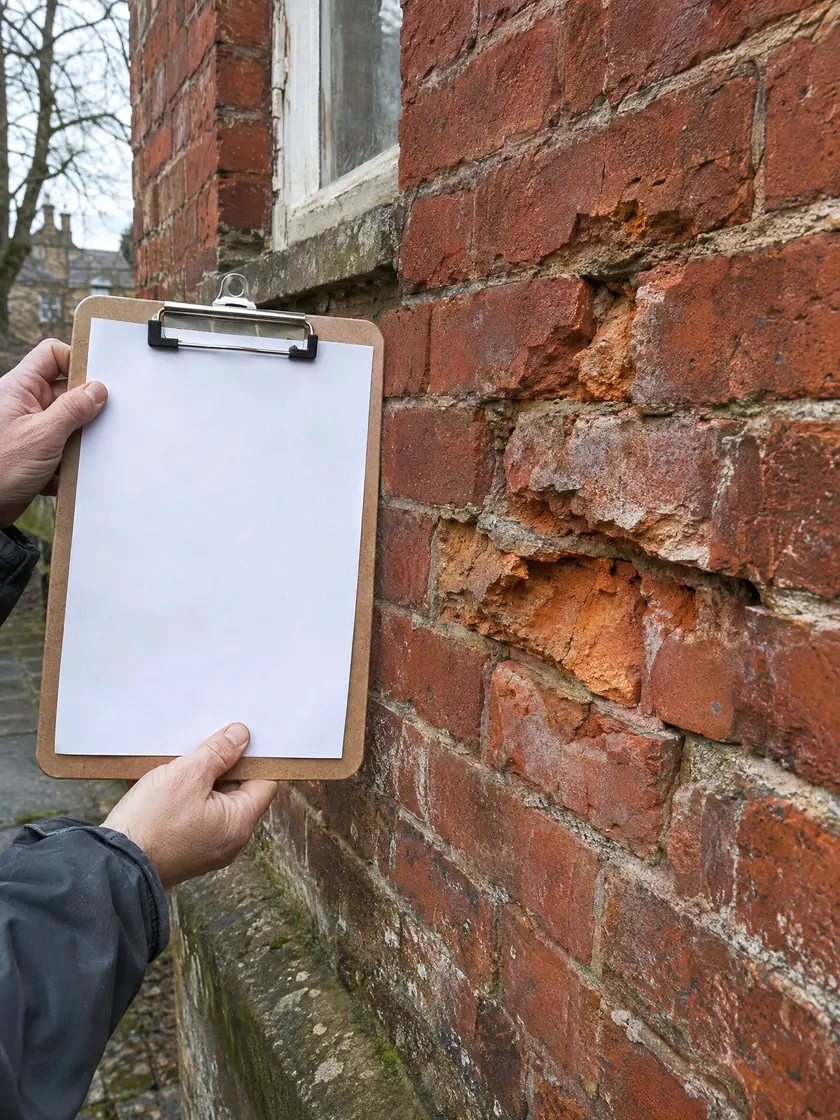 Free quote
Questions people ask us
What causes spalling bricks?
Spalling bricks are caused by water soaking into the brick, freezing and expanding, which forces the outer face away from the body of the brick. Repeated freeze-thaw cycles, leaking gutters and hard cement mortar make it worse each winter. Fixing the source of the moisture is what stops the damage coming back.
Can spalling bricks be repaired without replacing them?
Spalling bricks can rarely be repaired without replacing them, because a brick that has lost its hard face will not grow it back. Where the damage is light and the brick is still sound, fixing the leak and repointing in lime mortar lets the wall dry out and often stops the shedding. Bricks that have fully blown are cut out and replaced with matching ones.
What happens if you leave spalling bricks untreated?
Leaving spalling bricks untreated lets the damage spread, because each flaking face lets more water in the following winter. That moisture can reach the inside of the wall and cause damp patches, peeling paint and mould. In North Yorkshire an estimated 9.5% of homes have a damp problem, compared with 5.5% across England.
Is spalling brick a structural problem?
Spalling brick is usually a surface problem rather than a structural one, as the brick face fails but the wall still stands. We check for long cracks through the mortar and bricks, bulging, loose bricks or a leaning wall, which point to structural movement. If we find structural issues, we tell you straight and suggest you call a structural engineer.
How much does spalling brick repair cost in Darlington?
Spalling brick repair costs roughly £20 to £45 per brick for a single blown brick, plus a minimum call-out charge, or £250 to £800 for small repairs to a patch of damaged bricks. Scaffolding is quoted on top where a job needs it. These figures are a rough guide and the actual cost varies from job to job, so request a free quote for an accurate price.
Do you offer a spalling brick repair service in Darlington?
Yes, we offer a spalling brick repair service across North Yorkshire and the North East, including Darlington, Harrogate, Middlesbrough, Whitby, Scarborough, Ripon, York, Durham, Newcastle, Sunderland, Hartlepool, Northallerton and Richmond. We repair houses, flats, cottages and period properties. Send us a message through our contact form for a free quote.
Other work we do in Darlington
Every frost makes it worse
Do not wait for another winter. Get a free quote and we will replace the blown bricks and fix the cause.