- Home
- Brick Repointing
- Stone Repointing
- Sunderland
Crumbling Mortar in Your Stone Walls? We Fix It
Stone Repointing Service in Sunderland
Stone Wall Repointing Service for Cottages, Farmhouses and Period Homes
Stone Repointing Services for Pubs, Hotels, Offices and Shops
Brick Repointing Team offers a stone repointing service across Sunderland. We restore worn joints so rain stays out and the structure stays strong. Homeowners, landlords and business owners call us when joints crumble, and we send a free quote after a visit to your property.
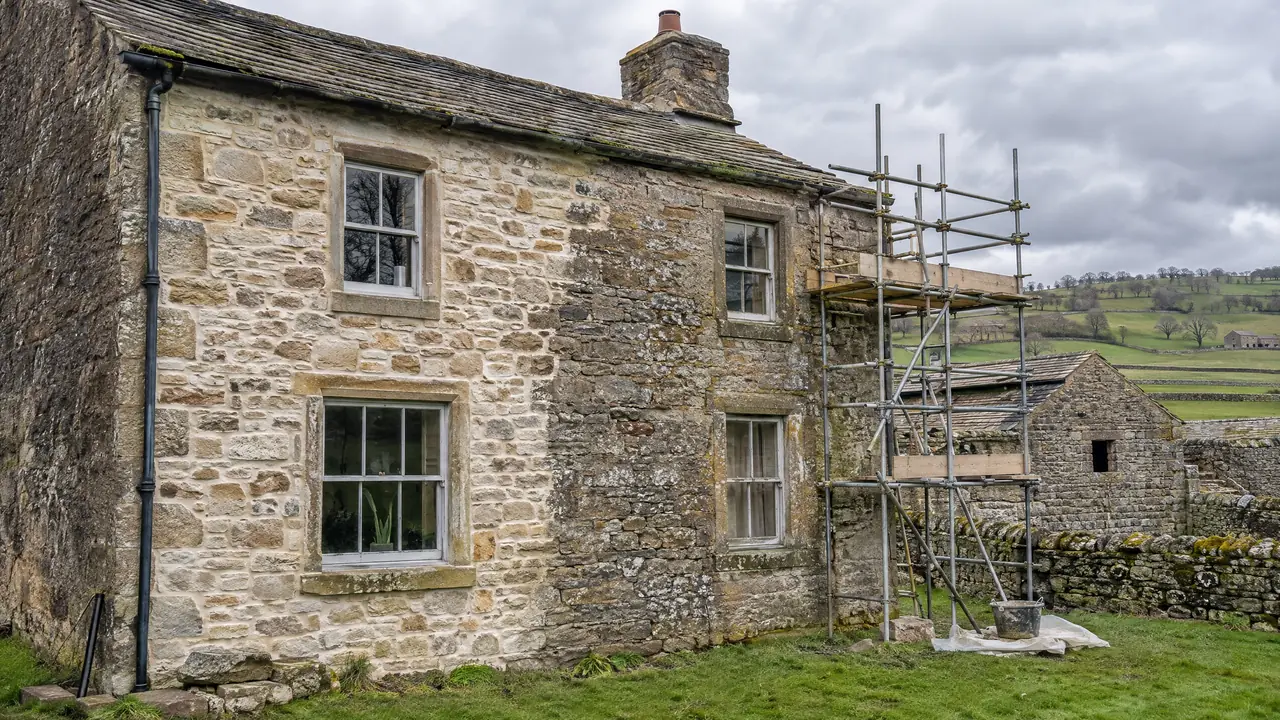
 Stone cottages
Listed buildings and conservation areas in Sunderland
Sunderland City Council says the city has almost seven hundred listed buildings, including 9 Grade I and 16 Grade II*. It also says there are currently 14 conservation areas, ranging from city centre areas and pre-conquest villages to the Victorian suburb of Ashbrooke and the coastal resort of Roker. The council's Heritage Action Zone takes in the Old Sunderland and Old Sunderland Riverside conservation areas and part of Sunniside.
The council says anyone who wants to alter a listed building, inside or out, should first talk to a Planning Officer, and that it is a criminal offence to alter a listed building without getting permission from the council. So we ask about listing and conservation status at the start, then survey the stone and its joints. In the Silksworth Hall Conservation Area the council's appraisal says repointing should always be undertaken with lime mortar, to a specification agreed by the conservation team, and that cement-based mortar will not be acceptable.
Local materials differ from street to street. The Bishopwearmouth appraisal names two main types of building material, red or brown brick in various shades and sandstone. Houghton's appraisal lists a range from local sandstone to magnesian limestone rubble to red brick. We match the stone and mortar to the building in front of us.
What Is Repointing and Why Does Your Stone Building Need It?
Repointing is the process of renewing weathered mortar joints in stonework. We rake out the old mortar, clean the gaps and press in new mortar. Done well, it keeps moisture out, stops structural damage and helps enhance the look and strength of the masonry.
Mortar is meant to wear away before the stone does. Weather exposure and ageing wear it down, so stone wall restoration starts with the joints.
Signs Your Wall Needs Pointing Work Now
+Soft joints alone do not mean you need work. It is worth doing when the mortar is very loose or has worn back by about the width of the joint. We look for:
- Joints that crumble, turn to sand or fall out
- Open gaps or hollow joints
- Damp patches or green staining inside or out
The most common problem we find is water getting in through failed joints. Left alone, it causes structural issues, frost damage and damp that harms health.
Why Sunderland Weather Is Hard on Joints
+Durham gets about 676mm of rain a year, on around 124 days, with 47 days of air frost. Scarborough gets about 706mm of rain across 127 rainy days.
Wet joints that freeze and thaw break up fast. Among English households, 28% of those in solid masonry homes reported new storm moisture damage, against 14% in cavity homes.
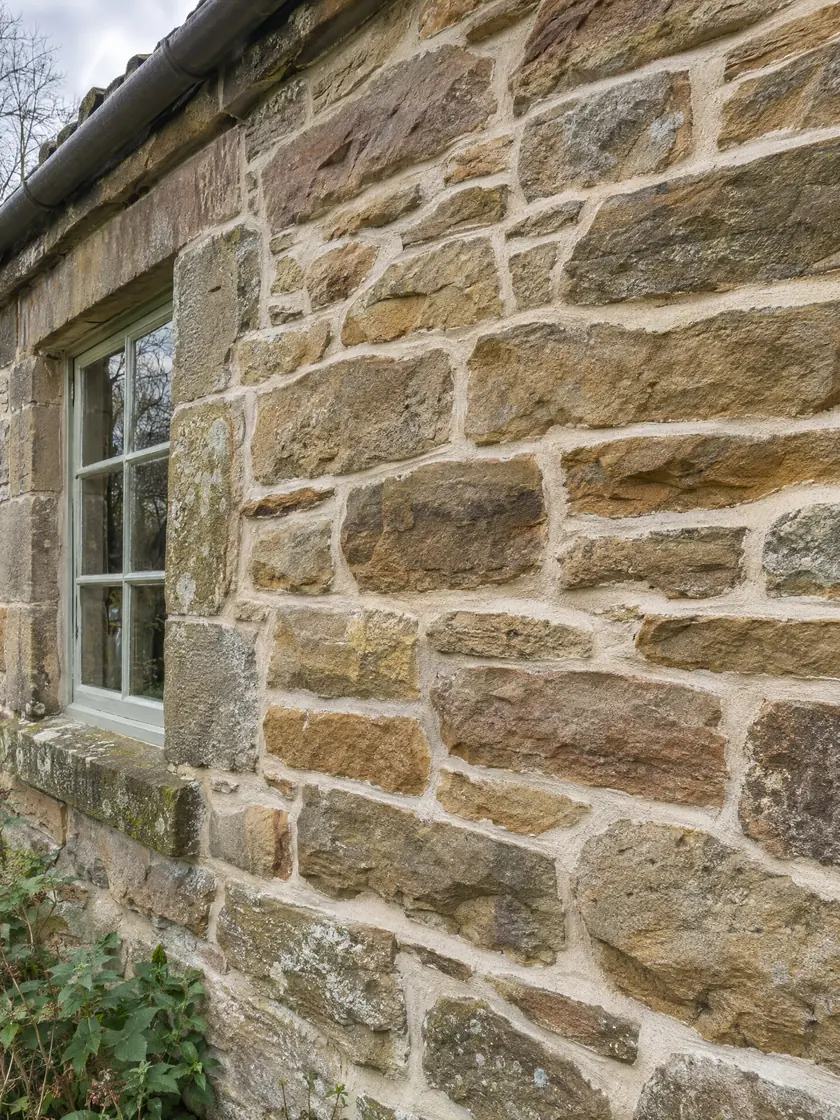
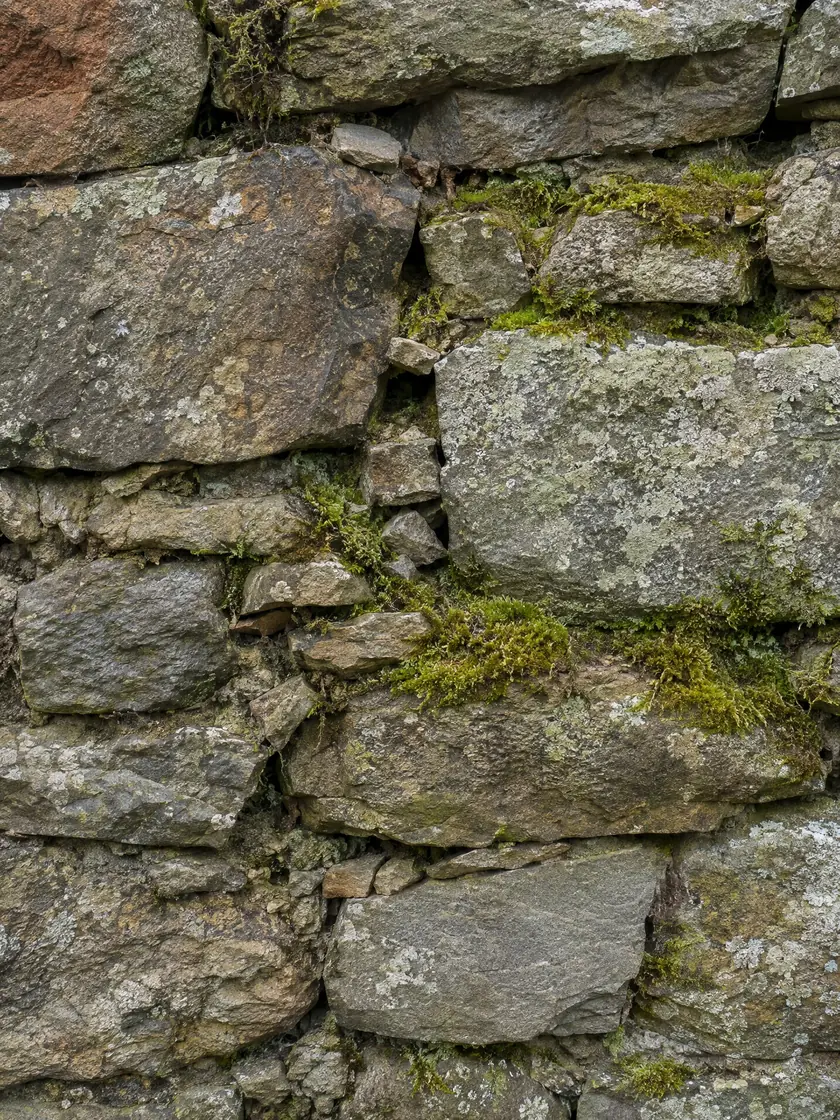 Washed-out joints
Which Buildings Do We Cover Across Sunderland and the surrounding area?
Homes We Cover: Cottages, Farmhouses and Period Properties
+Around 27% of North Yorkshire homes were built before 1919, compared with about 21% across England. That is roughly 82,500 homes. In County Durham, 18.2% date from before 1919 and another 16.2% from 1919 to 1944.
Our stone wall repointing service covers cottages, farmhouses, Victorian terraces and any detached house. Bookings often follow wet patches or a survey that flags crumbling joints in a property.
Commercial Premises: Pubs, Hotels, Offices and Shops
+A village pub, a hotel with an old frontage or a shop on a historic high street all rely on sound joints. Stone restoration can transform a tired frontage, and we plan commercial projects around trading hours at your property.
Listed Buildings and Conservation Areas Need Extra Care
+Northumberland Council records 5,562 listed buildings, and County Durham has about 3,100 listed-building entries plus over 230 scheduled monuments. York has around 1,265 entries, and the North East holds 12,409 in total.
On a listed building, small like-for-like repairs may not need consent. Changing the mix, finish or look can need listed-building consent, and unauthorised alterations can be a criminal offence. Period restoration needs the right mortar, so we stress the importance of checking consent first.
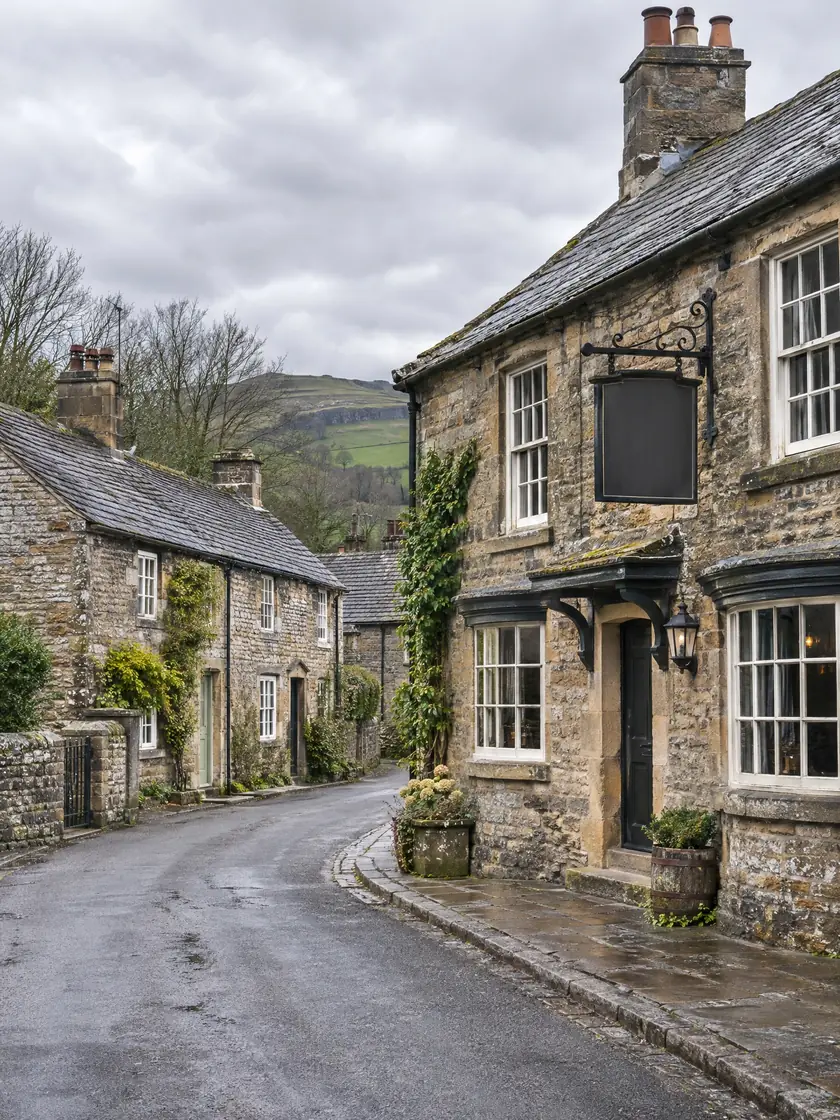 Period homes
Is It Hard to Repoint Stonework and Can You Do It Yourself?
Yes, it is hard to repoint stone walls well. Joints are uneven and edges chip easily, so the old mortar must be raked out by hand with care.
We clear joints to about twice their width in depth. The sand should be no bigger than a third of the joint width. People attempting a DIY job often chip the edges or crack the stone with the wrong mortar.
Some companies providing inferior workmanship grind out the joints and fill them with grey cement. Other companies use raised ribbon pointing, and unscrupulous tradesmen do both.
Flush or nearly flush pointing suits older work far better than deeply recessed joints, which expose the edges. Incorrect pointing can leave water trapped behind the wall.
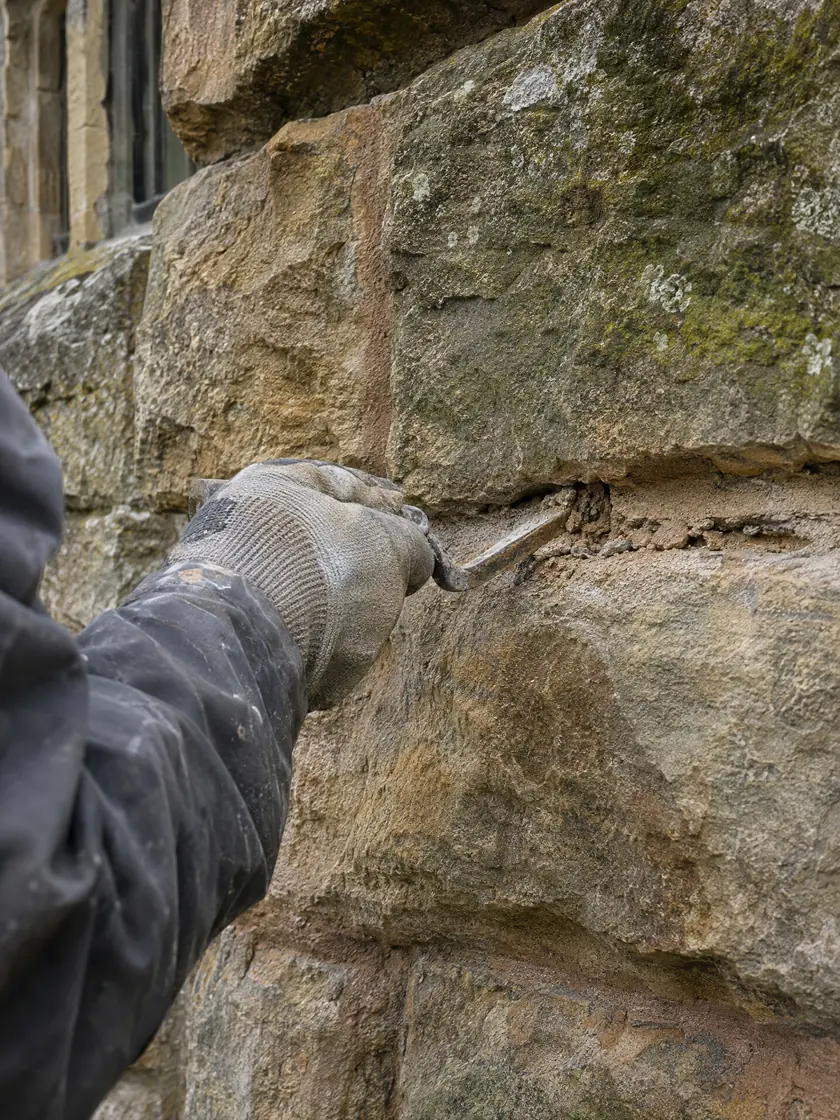 Hard to do well
Which Mortar Suits a Stone Wall: Lime or Cement?
Why We Use Natural Hydraulic Lime on Most Old Walls
+Lime mortar is preferred for older and traditional stone structures. It lets the wall breathe, so damp stays away and moisture can escape. Natural hydraulic lime is flexible and can self-heal small cracks.
Repointing with lime extends the life of stone walls, so we use traditional materials on period properties and pick the right material for each building.
In York and North Yorkshire, around 63% of roughly 397,300 homes sit below EPC C. Across English homes, uninsulated walls were linked to damp twice as often, at 8% against 3%.
Why Hard Cement Pointing Damages Old Stone
+Cement mortar is too rigid for older stonework and can cause damage. When it is harder than the blocks, moisture and salts are forced out through the stone. That speeds up surface erosion and frost damage, so we match the mix, colour and finish to the original work.
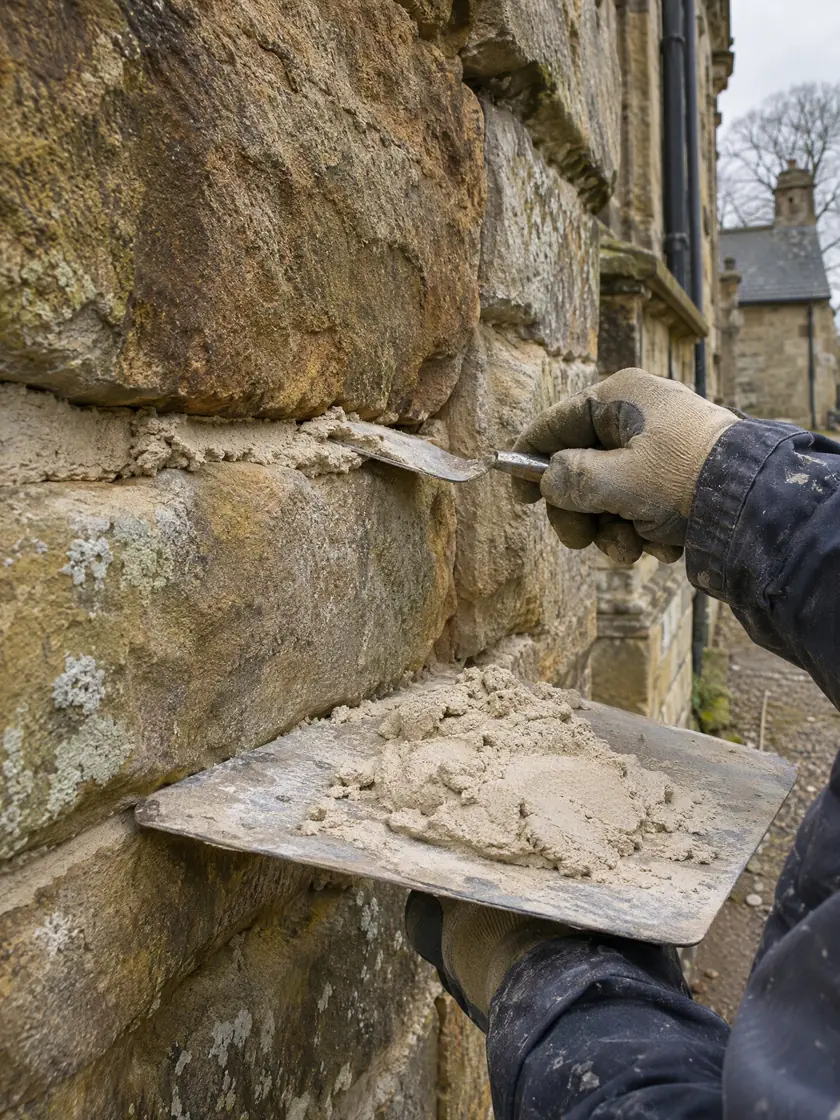 Lime for stone
How Does Our Repointing Process Work From First Visit to Finished Wall?
Step One: A Free Visit and a Clear Written Quote
+Tommy, our site lead, checks the joints, access and height. We carry out the visit for free, tell you if you need to re point now or can wait, and send a free quote with a clear price.
Step Two: Raking Out, Cleaning and Wetting the Joints
+We carry out this stage by hand, so the old filling is raked out without chipping the edges. We brush the joints clean and wet them so they do not drain the new mortar. If old paint hides the surface, we handle paint removal first.
Step Three: Pointing the Joints and Protecting Them While They Cure
+We press the lime in and finish the joints to match. Lime needs protection from frost, heavy rain, strong wind and fast drying while it cures, so timing matters as much as the mix for the long-term health of the wall. When the work is completed, we walk the site with you.
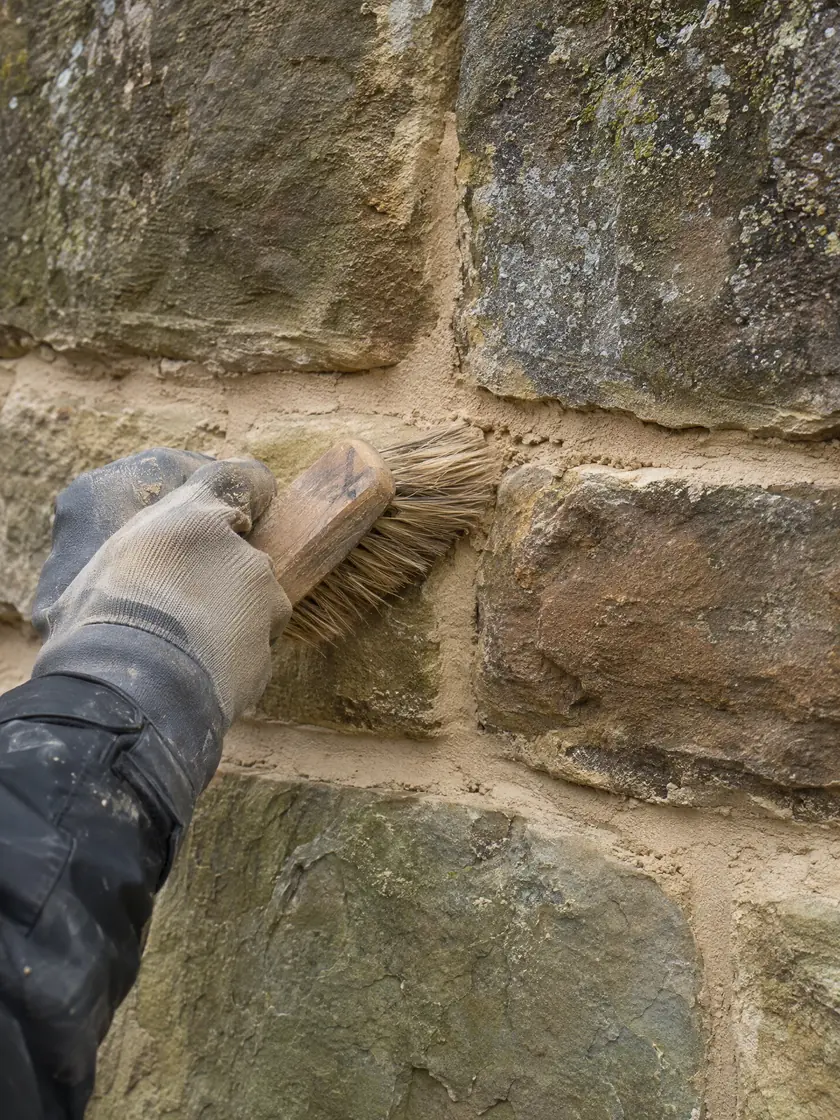 Brushed finish
Do We Also Repoint Brick as Well as Stone?
A stone house often has a brick facade, brickwork at the back or a brick chimney stack. We point all of it, and mixed stone and brickwork is common on older buildings.
Brick and spalling stone both suffer when water gets in, and flaking brick often means trapped moisture. Our brick repointing work is covered separately, but brick pointing needs a different mix, and tuck pointing suits brick, not rough stone. We match brick pointing to old brickwork and any weathered brick facade.
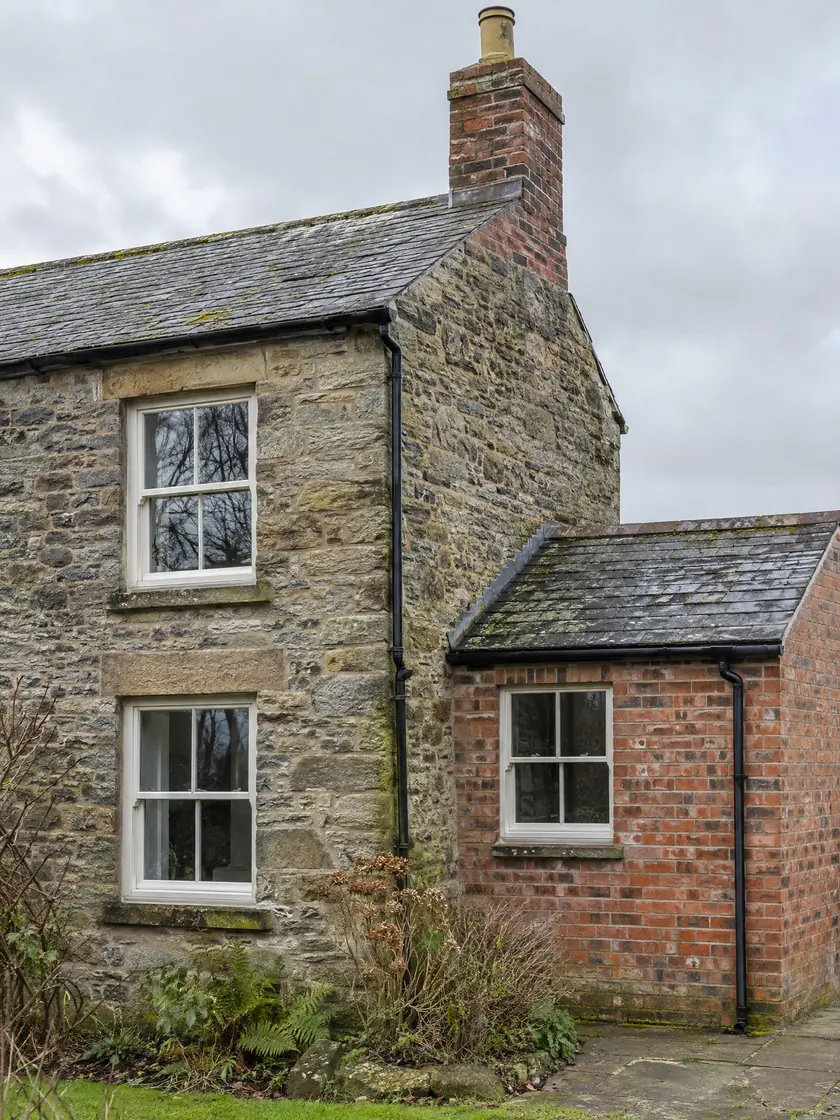 Brick and stone
How Much Does Stone Pointing Cost in Sunderland?
These are our rough prices based on recent projects. We price our stone repointing service at around £85 per square metre, and most walls land between £70 and £100 per m². Rubble stone and hollow joints sit at the top of that range.
- A standard house starts from £1,850
- A semi-detached house starts from £2,450
- One side of a sandstone building starts from £2,312.50
- A whole house often lands between £3,500 and £6,000
- Small patch repairs start from £300
- Scaffold, where needed, adds about £15 to £25 per m²
What Moves the Price Up or Down
Access and wall height change the price most. A high gable needs scaffold, and lime pointing sits about 25% above cement pointing. We can split bigger work into stages to suit your budget, and we re point the worst areas first if needed.
The prices above are a rough guide and the actual cost varies between properties. Please use our contact form and we will give you an accurate free quote.
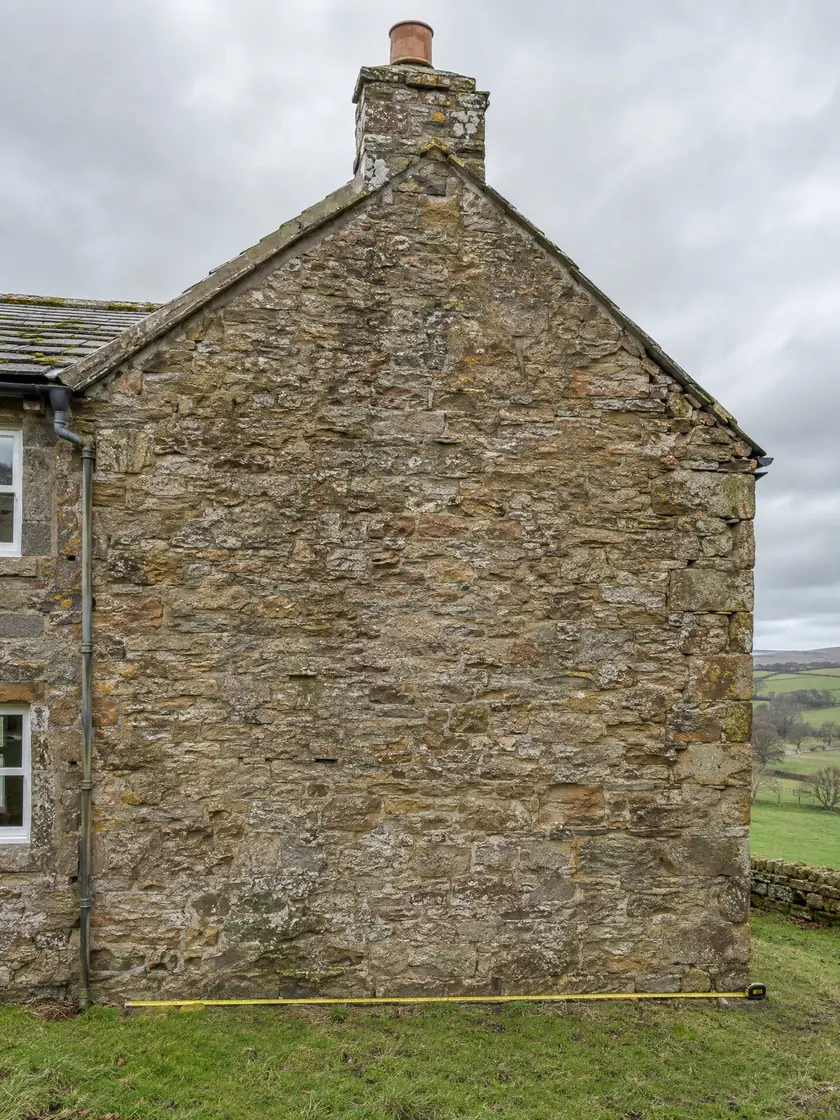
Why Choose Our Team for Stone Wall Restoration?
We are specialists. Our skilled team works to a high standard with traditional materials, and skilled hands finish every joint neatly. Our repointing services and restoration work cover homes, farms, pubs, shops and offices, and every job is completed with care.
Our good name in the trade matters to us. If a joint we pointed fails, we come back and fix it. Read our reviews to see what customers say, or leave a review once we finish.
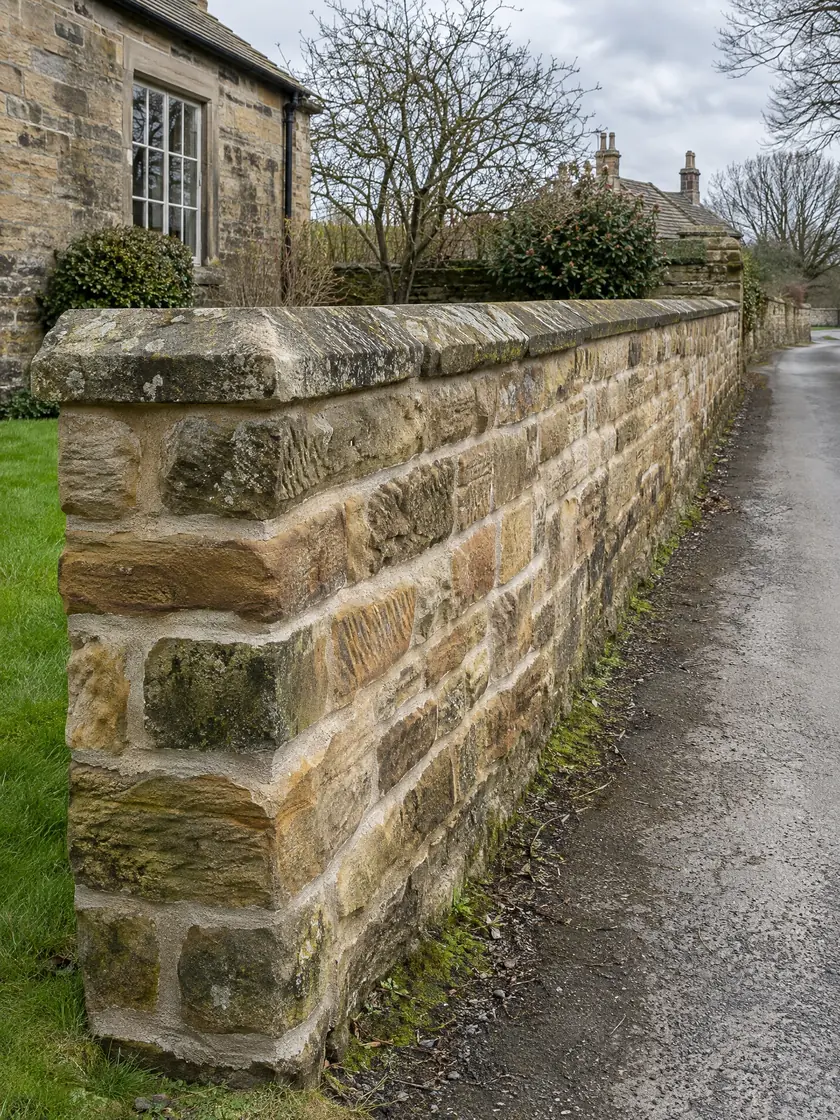 Restored stonework
Ready to Fix Your Stone Walls? Get Your Free Quote From Brick Repointing Team Today
Call us or send your details through our contact form. We will visit and send a free quote.
Our services cover Northumberland, County Durham, York and Scarborough. Contact Brick Repointing Team today and give your building the restoration it needs.
 Free quote
Questions people ask us
How much does a stone repointing service cost in Sunderland?
A stone repointing service costs around £85 per square metre, and most walls land between £70 and £100 per m². A whole house often lands between £3,500 and £6,000, and small patch repairs start from £300. These figures are a rough guide and the actual cost varies between properties, so please use our contact form for an accurate free quote.
How do I know if my stone walls need repointing?
Stone walls need repointing when joints crumble, turn to sand or fall out, or when the filling has worn back by about the width of the joint. Open gaps, hollow joints and damp patches or green staining inside or out are also warning signs. Soft joints alone do not mean you need work, so we will check the wall and tell you if it can wait.
Can I repoint stone walls myself?
Repointing stone walls yourself is hard to do well, because the joints are uneven and the edges chip easily. People attempting a DIY job often chip the edges or crack the stone with the wrong mortar. A professional stone repointing service rakes joints out to about twice their width in depth, then cleans and pre-wets them before pointing.
Is lime or cement mortar better for repointing stone walls?
Lime mortar is better for repointing older stone walls, because it lets the wall breathe so moisture escapes. Cement mortar is too rigid for older stonework and can force moisture and salts out through the stone, which speeds up surface erosion and frost damage. We use natural hydraulic lime on most old walls and match the mix, colour and finish to the original work.
Do I need consent to repoint a listed building?
You may not need consent to repoint a listed building when the repair is small and like-for-like. Changing the mix, finish or look can need listed-building consent, and unauthorised alterations can be a criminal offence. Tell us if your property is listed or in a conservation area so we can match the original work and advise before we quote.
How does stone repointing work from start to finish?
Stone repointing starts with a free visit and a written quote, then we rake out the old filling, clean the joints and wet them. Next we press the lime in, finish the joints to match and protect them from frost, heavy rain, strong wind and fast drying while they cure. When the work is completed, we walk the site with you.
Other work we do in Sunderland
Keep the rain out of your stone
Call us or send your details. We will visit for free and send a written quote.